
Handwashing Wool Sweaters


I fondly reflect on the memories of my grandmother teaching me how to hand-wash delicate items. To this day, I still use her approach to caring for wool sweaters (I even use the same aluminum tub she used!). Even with the delicate setting on modern washing machines, I still strongly recommend handwashing your wool garments to help them last longer.
I know handwashing takes time, but I think you will love the results. It’s so rewarding and can become an enjoyable winter ritual.
To help you care for your favorite wool sweaters and other woolen clothes and textiles, I’ve outlined my grandmother’s method below. Before diving into the instructions, let’s discuss what causes pilling and the best tools and soaps for washing. Finally, I wrap up this piece by discussing the benefits of wool and why we love carrying wool items at Be Just.
What Causes Pilling?
Dang, I hate pilling, and I've noticed that many of my sweaters pill right from the get-go. Was it always this way?
Sweaters pill because of friction and fiber structure. Shorter fibers (such as those found in wool, cashmere, or cotton blends) tend to work loose more easily than long, smooth fibers like silk or tightly spun synthetics. When wool fibers reach the surface of the sweater, the fabric rubs against itself, tangling together into tiny balls, known as pilling.
Pilling is especially common around the elbows, armpits, sleeves, belly, and the sides of the sweater, where, during wear, the arms of the garment are constantly coming into contact with the body of the sweater.
Nowadays, I would say the biggest culprit is the prominence of blending synthetics and wool. If you were to look through your closet, you would likely find that many of your sweaters are blends that incorporate synthetics. In fact, finding even a stitch of 100% wool apparel is becoming rare.
Unfortunately, adding acrylic, nylon, or polyester, or other synthetic fabrics, to wool sweaters significantly increases pilling. Reason being, these strong, long synthetic fibers create additional friction and latch onto weaker wool fibers, preventing them from shedding naturally, while compromising the natural softness and resilience of pure wool, leading to those fuzzballs (pills).
It’s important to note that a higher price doesn’t guarantee a garment is 100% wool or cashmere. Even very expensive sweaters are often made with synthetic materials. Check those labels.
When shopping for wool sweaters, know that looser knits snag and shift more easily, which brings fibers to the surface, whereas tighter weaves, like in a merino wool jersey, resist pilling better.

The Right Tools for The Job
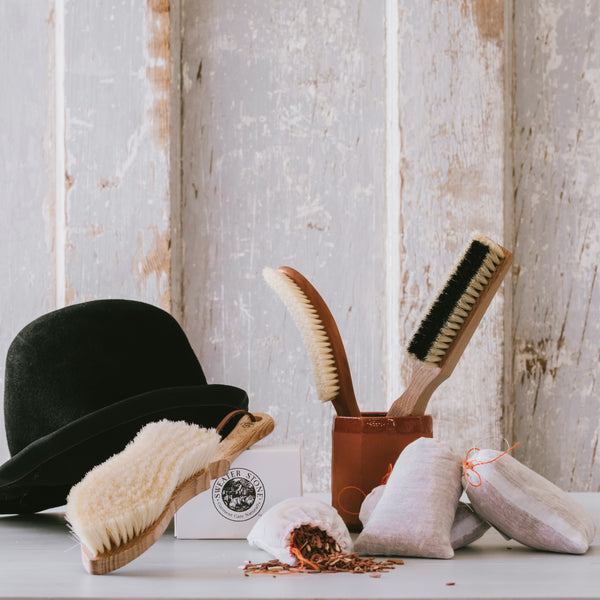
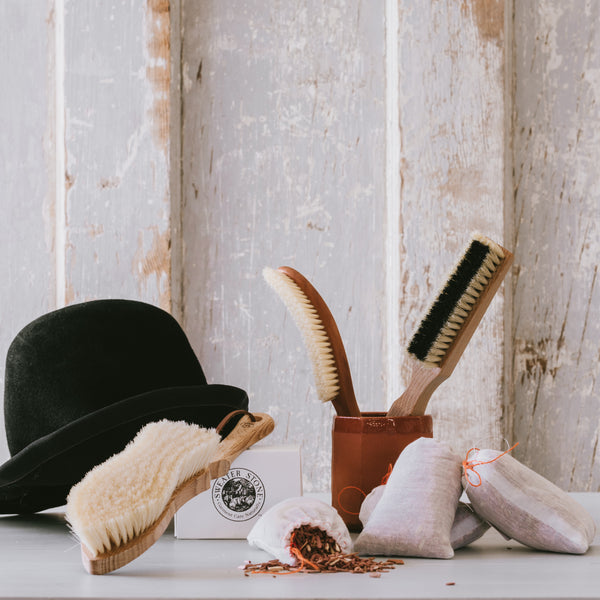
In order to take the best care of your delicate wool sweaters, you’ll want to equip yourself with a:
-
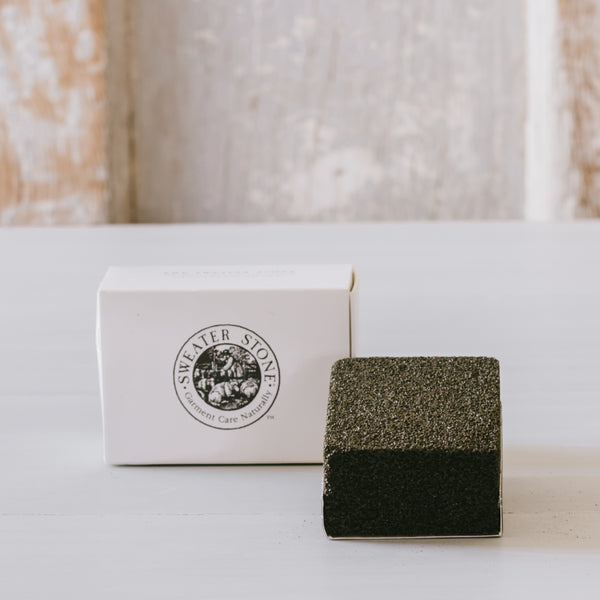
Pumice Stone (to remove pilling)
-
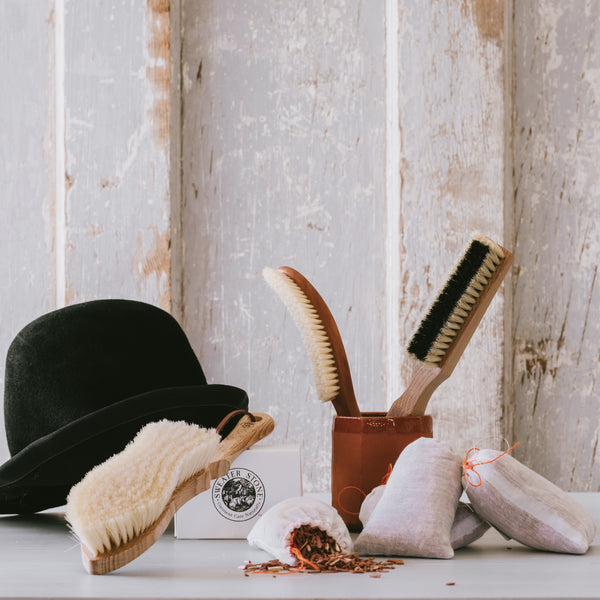
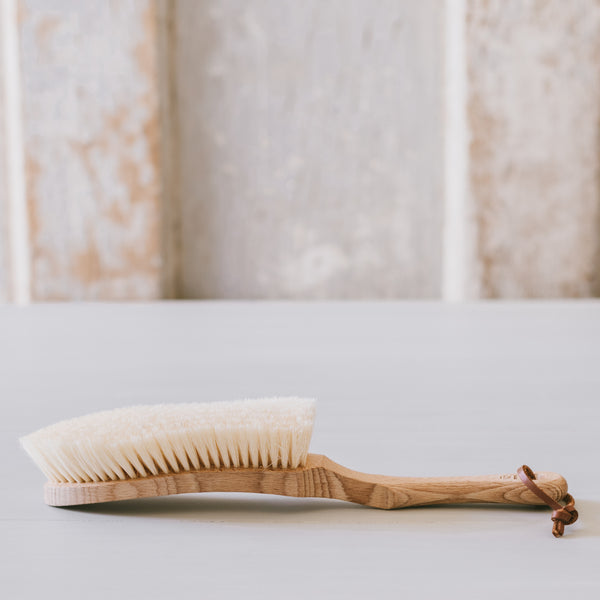
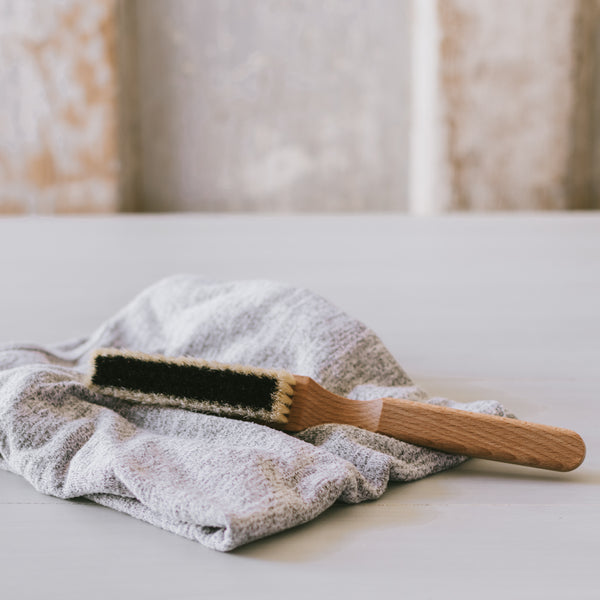
Cashmere Brush (especially if you have pets)
-
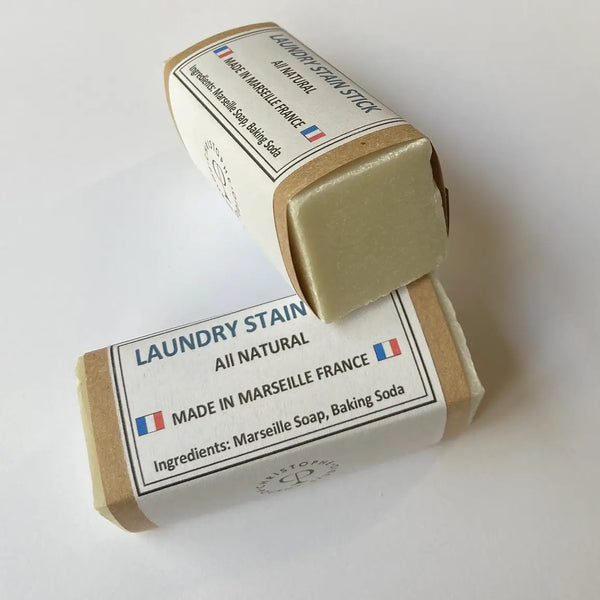
Laundry Stick For Stains (gentle on fabrics)
-
Olive Oil-Based Laundry Detergent
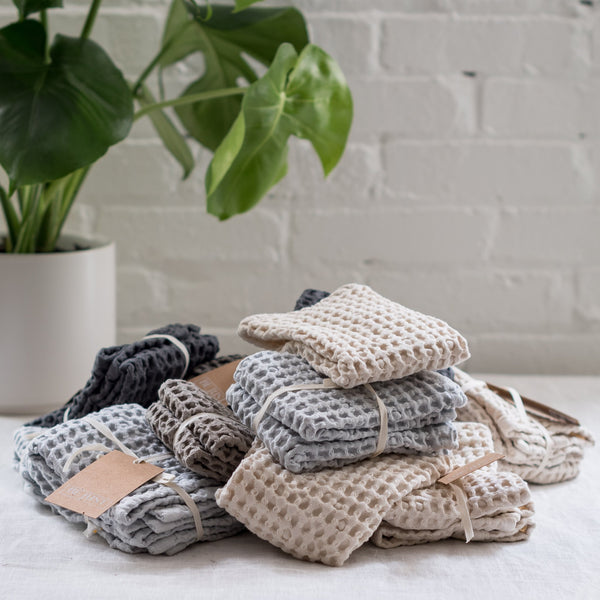
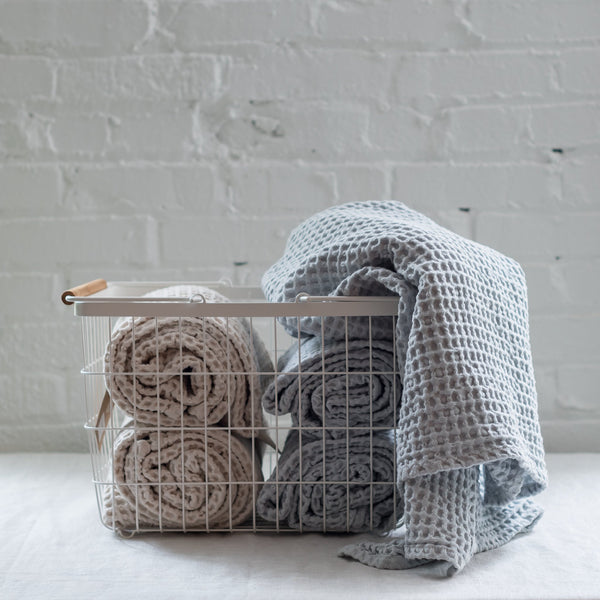
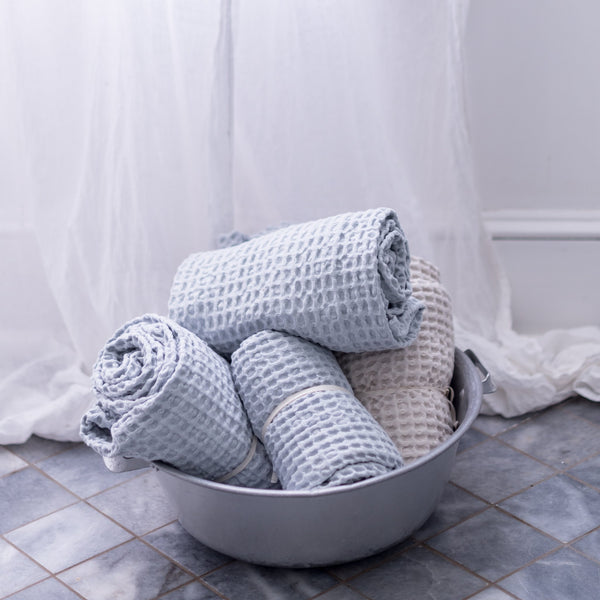
- Cotton Towels
Getting Started

1. Depill with a Pumice Stone
Lay your sweater flat on a surface and gently rub a pumice stone over the areas where you see pilling. You’ll notice the little balls of fabric break away from the garment. With just this step, you can almost make your sweater look new again!

2. Brush Out The Fabric
Brushing really rejuvenates and freshens fabrics like wool, cashmere, cotton, and linen. Gently brush your sweater to remove hair, dust, dirt, and other debris. Avoid brushing too hard as this can damage the fabric.

3. Inspect For Stains
Before fully washing your sweater, you’ll want to inspect it for any stains. If you see one, use a laundry stick as a stain remover by rubbing it gently on the stained area.

4. Wash in Cold Water and Inside Out
We're ready for the soap and water. Use about a ½ tsp of laundry soap per gallon of water. Be sure to turn your sweater inside out!
Fill a dish basin with cold water only. Place your sweater in the water and swirl it around. Avoid moving your garment around too aggressively, as this can damage the wool fibers. Let it soak for 5-15 minutes.

5. Rinse Sweater
Pour out the soapy water in your sink and refill the basin with fresh, cold water. Add the sweater back in, rinsing it and gently squeezing out the soapy water. Do not wring it out! Repeat this process until the water is clear and without suds. It'll probably take three or four rinses.

6. Remove Excess Water From Sweater
Gently Squeeze, do not wring, your sweater to remove the excess water. Lay it flat on a spread-out towel. Roll up the sweater inside the towel, and knead the roll as if you’re making bread. Doing so will remove additional water.

7. Shape & Dry Your Sweater
Lay your sweater flat on a new dry towel, reshaping it to its original structure. Allow approximately 24 hours for it to dry completely.

Additional Tips That I Learned From My Grandmother
There are a good number of steps in the washing process, but caring for nice things can be, well, nice. I genuinely believe that a person can transform their everyday tasks into beautiful, enjoyable practices.
Further, the more times you handwash a wool sweater, the faster and better you’ll get at it. But there are some tips that make the process easier:
1. Choose the Right Materials
- Long-fiber & tighter weave wool (like merino or alpaca) pills less than short-fiber wool or blends.
- Avoid synthetic blends whenever possible.
- Look for sweaters labeled “tightly spun” or “anti-pill.”
2. Wash Gently & Inside Out
- Turn sweaters inside out before washing.
- Use a mild detergent specifically designed for wool or delicates.
- Always skip the dryer (lay flat to dry instead).
3. Wear Smartly
- Avoid wearing your sweater under rough outer layers (like denim jackets or wool coats).
- Be mindful of backpacks or handbags rubbing the same area repeatedly.
- Rotate your sweaters to give fibers time to relax between wears.

Why Wool?
At Be Just, we’re endlessly inspired by natural materials that work beautifully with everyday life, and wool is one of the finest examples. Long before high-tech fabrics existed, wool kept people warm in winter, cool in summer, and comfortable in between. Its natural insulation, breathability, and softness make it a fiber that truly supports you year-round. And because wool manages moisture so effectively, it stays fresher for longer, often needing nothing more than a good airing out and brushing to feel renewed again.
We also love wool for its inherent cleanliness. Unlike synthetic materials that attract dust and static, wool resists lint, repels dirt, and naturally regulates humidity in a way that discourages the growth of dust mites. The natural state of this fabric means your favorite wool blanket or scarf stays fresh without constant washing. But when a deeper clean is needed, wool responds best to gentle care, and (much like the handwashing instructions described above) these moments of tending become opportunities to slow down and appreciate the things we live with.
Equally important is where wool comes from and how it’s produced. For instance, our vendor Lapuan Kankurit sources wool with great care from farms and mills that prioritize animal welfare, responsible land stewardship, and certified mulesing-free practices. Their Finnish wool is gathered directly from local farms, and their investment in spinning and finishing facilities reflects a commitment to transparency and traceability. This thoughtful approach means each piece, whether it be a sweater, scarf, or blanket, is rooted in ethical production.
Wool is also a truly sustainable material. It’s long-lasting, renewable, and fully biodegradable, offering an earth-friendly alternative to the synthetic fibers that now dominate much of the textile industry. When cared for well, a wool item can last for decades and ultimately return to the soil—an elegant full-circle life cycle that synthetic fabrics simply can’t match.
These qualities are why we’re proud to carry wool pieces at Be Just. They embody everything we love in a home textile: beauty, practicality, tradition, and responsibility. Wool is a reminder that when we choose materials with intention, we bring a little more comfort and connection into our everyday routines.

Bonus: What Is Snow Dry Cleaning?
One of the most intriguing winter traditions we’ve learned from our partners in Finland is the practice of snow dry cleaning. Snow dry cleaning is a gentle, water-free way to refresh natural textiles using nothing more than crisp air and powdery snow. When temperatures plunge, and everything outside turns quiet and white, Finns take their rugs, blankets, and woolens outdoors for a kind of seasonal reset. The cold air alone helps revive fibers, but the real magic happens when textiles meet clean, powdery snow.
Snow works almost like a natural dry cleaner. When a textile has been outdoors long enough to fully acclimate to the cold, you can lay it on the ground and cover it with fresh snow. A light scrub with a soft brush helps the snow lift dust, lint, and lingering odors from the fibers. Because snow is so dry in the coldest weather, it absorbs rather than melts, pulling debris to the surface without saturating the textile. Cold temperatures also freeze stains, making them easier to remove once everything is shaken and brushed clean.
Afterward, the fabric simply needs to be brushed free of snow and left to dry in an airy spot. Rugs can be laid flat; garments and blankets do best when hung loosely indoors for a day or two. The result is a textile that feels renewed, much like it does after a day spent outdoors. It’s an especially thoughtful way to care for wool, linen, and other natural materials that don’t always love frequent washing.
There is something beautifully mindful about this ritual: stepping outside on a quiet winter morning, letting the season do the work, and bringing a bit of the outdoors back into your home. It echoes the same spirit we embrace at Be Just: caring for the things we live with in ways that feel grounding, intentional, and connected to tradition.

Caring With Intention
Whether through a quiet handwashing at the kitchen sink or a winter ritual born of Finnish landscapes, caring for wool can be an invitation to slow down and tend to the things that truly matter. These small tasks connect us to the past, enrich our daily routines, and help the objects we love live longer, fuller lives. At Be Just, we believe these moments of care are just as meaningful as the textiles themselves.
With these instructions in mind, may your sweaters stay soft, your blankets stay warm, and your rituals bring a sense of comfort that lasts well beyond the season.










Leave a comment